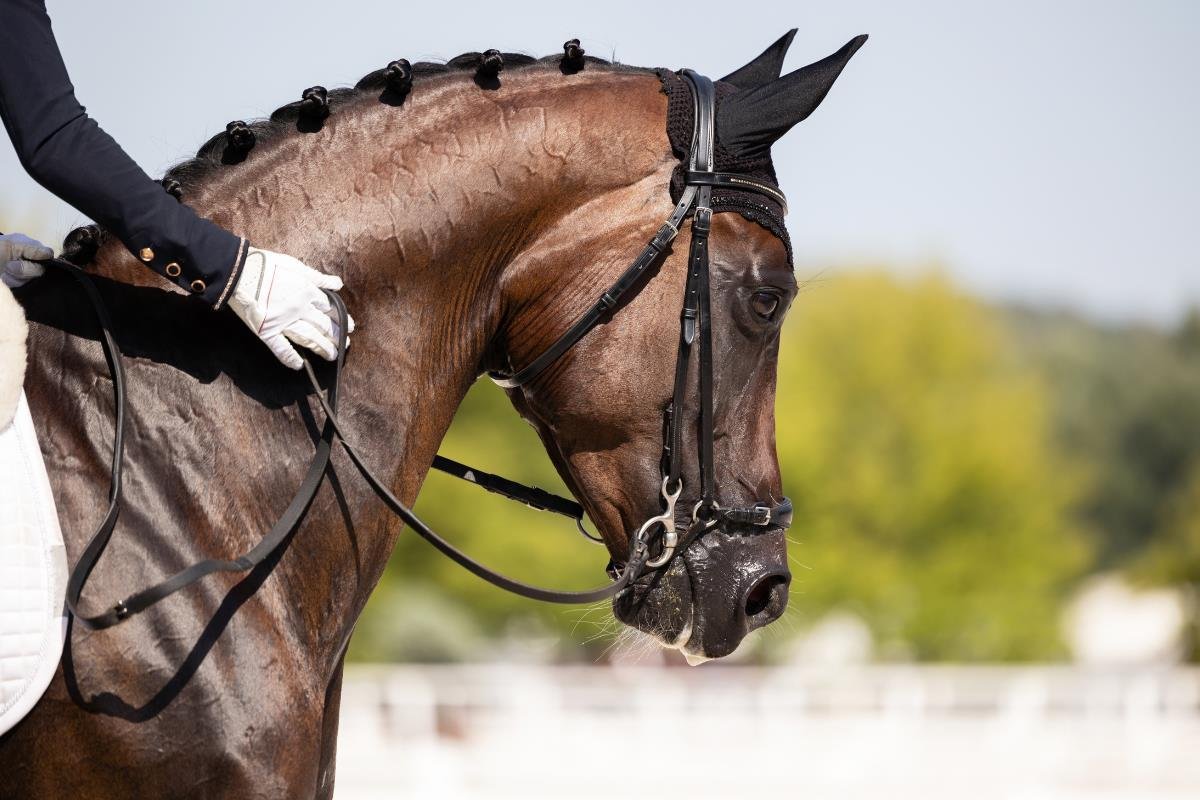
The rhythmic thud of hooves on earth, the subtle shift of a horse's weight beneath you, the quiet understanding passing between two beings – this is the heart of horsemanship. While many picture majestic show jumpers or elegant dressage riders when they think of equestrian sports, the world of "Equestrian Training and Disciplines" (Entrenamiento y Disciplinas Ecuestres) is a much richer, more diverse tapestry. It spans everything from high-octane team sports to serene trail riding, demanding unique skills from both horse and rider.
This comprehensive guide will take you on a journey through the varied landscape of equestrian practices, exploring the history, demands, and sheer joy each discipline offers. Whether you're a seasoned rider looking to expand your horizons, a curious newcomer, or simply someone fascinated by the incredible partnership between humans and horses, prepare to discover the depth and breadth of this ancient bond.
At a Glance: Your Expedition into Equestrian Disciplines
- A World of Choices: Discover over a dozen distinct equestrian disciplines, each with its unique focus, rules, and challenges.
- Beyond the Olympics: While some disciplines shine on the global stage, many others celebrate practical horsemanship, teamwork, or endurance.
- Mastering the Fundamentals: Learn how core principles like harmony, communication, and trust underpin success across all practices.
- Finding Your Fit: Understand what each discipline demands, helping you identify which might best suit your interests and your horse's talents.
- Accessibility for All: Explore inclusive disciplines like Para-Equestrian, proving that horsemanship truly is for everyone.
The Foundation of Horsemanship: Building the Bond
Every equestrian discipline, regardless of its specific goals, relies on a fundamental principle: the harmonious relationship between horse and rider. This isn't just about control; it's about communication, trust, and mutual respect. Training, in its purest form, is the process of developing this partnership, honing both the physical capabilities and mental connection necessary for success.
Governing bodies like the Real Federación Hípica Española (RFHE) and the Fédération Équestre Internationale (FEI) define the standards and rules for these diverse practices, ensuring fair competition and promoting ethical horsemanship. From the precision of a dressage test to the rugged demands of an endurance race, the commitment to training and the deep understanding between horse and rider remain paramount.
The Pillars of Classical Riding: Harmony, Agility, and Stamina
Some equestrian disciplines form the bedrock of what many consider classical horsemanship. They emphasize the development of the horse's natural athletic ability and the rider's refined aids, often leading to spectacular displays of grace, power, and synchronized movement.
Dressage: The Art of Equestrian Harmony
Dressage, or Doma Clásica, is often called "ballet on horseback," and for good reason. This Olympic discipline focuses on developing a horse's natural athletic ability and willingness to perform a series of predetermined movements, known as a reprise, with grace, suppleness, and obedience. The goal is for the horse and rider to appear as one seamless unit, demonstrating absolute harmony.
Riders guide their horses through intricate patterns in a 20x60m or 20x40m arena, executing movements like changes of lead, half-passes, pirouettes, and even the highly collected piaffe and passage. Judges score each exercise from 0 to 10, evaluating aspects such as rhythm, relaxation, impulsion, straightness, and the horse's overall submission to the rider's subtle cues. It's a journey of continuous refinement, aiming for the perfect blend of power and poise.
Show Jumping: Leaping to Victory
Show Jumping, or Salto de Obstáculos, is an exhilarating Olympic discipline that combines athletic prowess with pinpoint precision. The objective is for horse and rider to clear a course of numbered obstacles—fences, walls, and combinations—without knocking down any rails or refusing a jump. This requires incredible communication, trust, and courage from both members of the partnership.
Competitions are scored using various formats, such as a timed round where speed is key, or a "power and skill" format focusing on clearing increasingly higher obstacles. Riders must possess excellent judgment to choose the right pace and approach to each jump, while horses need strength, agility, and the willingness to trust their rider's commands. It's a thrilling spectacle where a fraction of a second or a single misplaced hoof can make all the difference.
Eventing: The Ultimate Equestrian Triathlon
Often considered the ultimate test of versatility, the Concurso Completo de Equitación (CCE), or Eventing, is another Olympic discipline that truly showcases the all-around athletic ability of both horse and rider. This demanding sport unfolds over three days, with the same horse and rider combination competing in three distinct phases: Dressage, Cross-Country, and Show Jumping.
- Day 1: Dressage – The pair performs a set test, demonstrating obedience, suppleness, and harmony, similar to a standard dressage competition.
- Day 2: Cross-Country – This is arguably the most challenging phase, requiring horse and rider to navigate a course of fixed, natural obstacles across varied terrain. Speed, stamina, courage, and precise riding are essential to clear challenging jumps like ditches, logs, and water complexes.
- Day 3: Show Jumping – A final test of precision and fitness, where the pair must clear a course of knockable obstacles in an arena, proving they still have energy and accuracy after the demanding cross-country phase.
Eventing truly exemplifies the partnership, as success hinges on a horse's versatility and a rider's ability to excel in multiple disciplines.
Endurance and Precision: Disciplines of Stamina and Skill
Beyond the classical arenas, other disciplines push the boundaries of equestrian capability, focusing on endurance, intricate control of multiple horses, or gymnastic artistry.
Endurance Riding (Raid): The Long Haul
Endurance Riding, known as Raid or Enduro Ecuestre, is a true test of stamina, both for the horse and the rider. This discipline involves covering extremely long distances—ranging from 25 to over 160 kilometers—in a single day. Riders traverse diverse terrains, from mountains to deserts, and must contend with varying weather conditions, requiring exceptional physical and psychological resilience.
Crucially, the well-being of the horse is paramount. Regular veterinary checks monitor the horse's heart rate and overall condition throughout the ride. Exceeding established pulse rate limits or showing signs of lameness results in immediate elimination, emphasizing responsible horsemanship. Success in endurance riding isn't just about speed; it's about strategic pacing and a deep understanding of your horse's limits.
Driving: Mastering the Art of the Carriage
Driving, or Enganche, is an elegant and historically rich discipline where a single horse or a team of horses pulls a carriage, guided by a "cochero" (driver) who demonstrates masterful control. It's a captivating blend of tradition, skill, and power.
Competitions are typically divided into categories based on the number of horses:
- Limoneras: A single horse.
- Troncos: A pair of horses.
- Cuartas: A team of four horses.
The competition itself consists of three distinct phases:
- Dressage: Performed in a 100x40m quadrilongo, this phase evaluates the horses' obedience, rhythm, suppleness, and the driver's ability to maintain collection and contact.
- Marathon: A thrilling test of endurance and skill, where the team navigates a challenging course with natural and artificial obstacles, often against the clock.
- Cones (Manejabilidad): This phase assesses precision and agility as the team maneuvers through a complex course of cones with minimal clearance, striving for speed without knocking over any obstacles.
It's a discipline that demands meticulous training and an acute understanding of how to manage multiple powerful animals simultaneously.
Vaulting: Gymnastics on Horseback
Vaulting is perhaps the most unique of equestrian disciplines, seamlessly blending gymnastics and dance with horsemanship. It involves performing acrobatic and artistic exercises on a cantering horse, which moves in a large circle under the guidance of a "longeur" on the ground. The longeur controls the horse with a long rein, ensuring a steady, rhythmic gait.
Vaulters compete individually, in pairs (Pas de Deux), or in teams, showcasing their strength, flexibility, balance, and creativity. Safety, precision, and the flow between figures are key scoring criteria. Unlike most other riding disciplines, vaulters train and compete without a helmet, emphasizing the trust and stability required on the moving horse. It's a beautiful expression of athleticism and harmony, requiring immense core strength and impeccable timing.
Working & Western Horsemanship: Roots in Practicality
Many equestrian disciplines evolved directly from practical tasks, particularly those associated with managing livestock or navigating challenging terrains. These disciplines celebrate the working partnership between horse and rider, prioritizing functionality and responsiveness.
Doma Vaquera: The Spanish Working Dressage
Doma Vaquera, originating from the field tasks of Spanish cattle herders, is a discipline deeply rooted in practical horsemanship. It emphasizes the absolute dominion and obedience of the horse, enabling it to perform complex maneuvers quickly and precisely in any rural condition. The style is characterized by the rider's distinctive "vaquero" attire and the specific tack used.
Competitions, primarily held in Spain and France, test the horse's ability to execute movements like rapid turns, sliding stops, and collected canters, all designed to mimic the demands of working with aggressive cattle. Ideal horses for Doma Vaquera are typically of Spanish Purebred (Pura Raza Española), English Thoroughbred, or Anglo-Arabian lineage, chosen for their docility, strength, courage, and agility. It’s a vivid display of tradition and highly refined control.
Reining: Western Riding's Sliding Stops and Spins
Reining is the epitome of Western horsemanship, a thrilling discipline recognized by both the FEI and RFHE. It showcases the horse's athletic ability and willingness to be guided through a series of prescribed maneuvers with speed, smoothness, and precision, all while maintaining a calm and collected demeanor.
Key maneuvers include:
- Sliding Stops: The horse gallops at speed and then slides to a halt, digging its hind legs into the ground.
- Spins: The horse pivots rapidly on one hind leg, turning 360 degrees or more.
- Rollbacks: A 180-degree turn made at the canter, immediately after a sliding stop.
- Circles: Performing large, fast circles and small, slow circles with controlled changes of speed.
The goal is to perform these complex maneuvers with minimal visible effort from the rider, creating the impression that the horse is responding instinctively to the lightest of cues. It’s a testament to the close collaboration and profound understanding between horse and rider. To truly appreciate the history and variety of equines, you might want to delve into Your guide to Morgan horses, a breed known for its versatility.
Working Equitation: Bridging Tradition and Sport
Working Equitation, or Equitación de Trabajo, is a relatively modern discipline that originated in Italy in the 1990s but quickly gained international recognition. It's designed to showcase the skills historically required of horses and riders working with livestock in the field. The discipline beautifully blends tradition with competitive sport.
Competitions typically consist of several tests:
- Dressage: A classical dressage test that evaluates the horse's basic training, suppleness, and obedience.
- Maneuverability (Ease of Handling): This phase involves navigating a course of obstacles designed to simulate real-world working conditions, such as opening gates, crossing bridges, or maneuvering through a slalom.
- Speed: The same course as the maneuverability test, but ridden against the clock, emphasizing speed and precision.
- Cattle Penning (optional): In some competitions, this phase requires riders to separate a specific animal from a herd and guide it into a pen, testing their ability to work with livestock.
Working Equitation celebrates a horse that is agile, responsive, and calm under pressure, reflecting the true utility of a well-trained working horse.
Unique Equestrian Sports & Inclusive Practices
The equestrian world is continually evolving, with innovative sports emerging and established disciplines expanding to embrace a wider range of participants.
Horseball: Basketball on Horseback
Imagine basketball, but on horseback, and you have Horseball. This dynamic team sport pits two teams of six players (four on the field, two reserves) against each other. The objective is to score goals by shooting a specialized ball—equipped with six leather handles for easy grasping—into vertical hoops at either end of a 60x30m field.
To score, a team must make at least three passes between three different attacking players before shooting. A unique and challenging aspect of Horseball is the "pickup": players must retrieve the ball from the ground without dismounting, facilitated by stirrups that are connected underneath the horse. This requires incredible balance, agility, and a strong bond between horse and rider. Horseball is a fast-paced, high-energy sport that demands exceptional horsemanship, teamwork, and strategic play.
TREC: The Trail Rider's Challenge
TREC, an acronym for "Techniques de Randonnée Équestre de Compétition" (Competitive Equestrian Trail Riding Techniques), originated in France in the 1990s from the country's burgeoning equestrian tourism scene. It's a discipline designed to test the skills of horse and rider in outdoor conditions, simulating practical challenges encountered during trail riding.
TREC competitions typically involve three phases:
- POR (Parcours d'Orientation et de Régularité): An orientation and regularity phase where riders follow a specified route on a map, maintaining a precise pace over varied terrain.
- MA (Maîtrise des Allures): A "control of gaits" test, where riders must demonstrate their horse's ability to maintain specific gaits (walk, canter) within very narrow speed parameters.
- PTV (Parcours en Terrain Varié): A varied terrain obstacle course, where horse and rider navigate natural obstacles such as fallen logs, water crossings, or steep inclines, showcasing their confidence and agility in challenging environments.
TREC celebrates the practical, versatile, and harmonious trail riding partnership, valuing navigational skills as much as riding technique.
Pony Disciplines: Nurturing Future Equestrians
Pony disciplines represent a vibrant and growing segment of the equestrian world, particularly in countries like Spain. These activities cater specifically to younger riders and smaller horses (ponies), providing an accessible and encouraging entry point into horsemanship.
From initial lessons in pony clubs to competitive events, children can participate in scaled-down versions of popular disciplines such as Show Jumping, Dressage, and Eventing. Additionally, unique "Pony Games" foster skill development in a fun, team-oriented environment. Pony disciplines are instrumental in developing not only equestrian skills but also important values like responsibility, teamwork, and respect for animals, laying a strong foundation for future riders.
Para-Equestrian: Inclusive Excellence
Para-Equestrian, also known as Adapted Riding or Adapted Dressage, stands as a powerful testament to the inclusivity of the equestrian world. This discipline shares the fundamental objectives of classical dressage but is specifically designed for riders with functional deficits or disabilities. It is a Paralympic discipline since 1996 and officially recognized by the RFHE since 2009.
To ensure fair competition, riders undergo a "Classification of Disability for Sport" process. They are then grouped into various "grades" based on the nature and severity of their impairment. This grading system allows riders with similar functional abilities to compete against each other, ensuring that success is determined by horsemanship and training rather than the degree of disability. Para-Equestrian showcases extraordinary partnerships, demonstrating that the bond between human and horse transcends physical limitations.
Polo: The "Sport of Kings"
Polo, often referred to as the "Sport of Kings," is a thrilling and fast-paced team sport played on horseback. Two teams of four players each compete to score goals by hitting a small plastic or wooden ball with long-handled mallets into the opposing team's goal.
Each player has a specific role, similar to other team sports: two offensive players (forwards), a midfielder, and a defensive player (back/goalie). The game is divided into periods called "chukkas," during which horses are frequently swapped due to the intense exertion required. Polo demands exceptional riding skills, strategic thinking, and precise hand-eye coordination from its players, all while managing a powerful, galloping horse. It's a spectacular display of athletic prowess and teamwork, steeped in a rich history.
Equestrian Tourism: Exploring the World on Horseback
Beyond competitive arenas, the simple joy of riding through nature provides a unique and enriching experience. Equestrian Tourism, or Turismo Ecuestre, encompasses a range of activities where people explore natural environments from the back of a horse.
This practice is deeply linked to rural tourism, offering individuals the chance to discover landscapes, local culture, and historical trails in an authentic and immersive way. Whether it's a short, guided trail ride, a multi-day trek through mountainous terrain, or a stay at a ranch that combines riding lessons with leisure, equestrian tourism allows participants to connect with nature and horses in a relaxed, non-competitive setting. It's an opportunity to slow down, appreciate the scenery, and enjoy the companionship of a horse without the pressure of performance.
Choosing Your Path: Finding the Right Discipline for You
With such a diverse array of equestrian disciplines, how do you decide which one is right for you? It's a journey that often involves considering your personal interests, physical capabilities, and, crucially, your horse's natural talents and temperament.
- Consider Your Goals: Are you drawn to the precision and artistry of dressage, the adrenaline of show jumping, the adventure of endurance riding, or the practical skill of working equitation? Your passion should be your guide.
- Assess Your Horse: Every horse has strengths. Some are naturally agile and brave over fences; others are calm and steady for long trails. A well-suited Morgan horse, for instance, might excel in multiple disciplines due to its versatility and athletic build. Matching a discipline to your horse's abilities will lead to greater success and enjoyment for both of you.
- Time and Resources: Some disciplines require significant time commitment for training, specialized equipment, and travel to competitions. Be realistic about what you can dedicate.
- Seek Guidance: Talk to experienced riders, trainers, and coaches in different disciplines. Many riding schools offer introductory lessons in various styles, allowing you to try them out before committing. Don't be afraid to experiment! The equestrian journey is often one of exploration and growth.
Common Questions About Equestrian Disciplines
You've got questions; we've got answers. Here are some frequent inquiries about the world of equestrian disciplines:
Q: Do I need a specific breed of horse for each discipline?
A: While certain breeds may be predisposed to excel in particular disciplines (e.g., Warmbloods for dressage/jumping, Arabians for endurance, Quarter Horses for Western riding), many horses are versatile. A good temperament and proper training are often more important than breed alone, especially for recreational riding.
Q: Is equestrian sport dangerous?
A: Like any sport involving animals and speed, there are inherent risks. However, with proper training, safety equipment (helmets, vests), and adherence to rules and best practices, these risks are significantly mitigated. Learning from qualified instructors is crucial.
Q: How do I get started if I'm a complete beginner?
A: Your best first step is to find a reputable riding school with experienced instructors. They can teach you the fundamentals of horsemanship, including safety, basic riding skills, and horse care, preparing you for more specialized disciplines if you choose.
Q: Can I compete in multiple disciplines?
A: Absolutely! Many riders enjoy the challenge of cross-training and competing in different disciplines, especially in disciplines like Eventing, which combines three. This can make you a more well-rounded rider and keep things interesting for your horse.
Q: What's the difference between English and Western riding?
A: These are broad categories. English riding typically involves smaller, flatter saddles and a focus on disciplines like Dressage, Show Jumping, and Eventing. Western riding uses larger, horned saddles, and emphasizes disciplines like Reining, Barrel Racing, and Western Pleasure, often stemming from cattle working traditions. The equipment, rider's seat, and specific aids differ significantly.
Embarking on Your Equestrian Journey
The world of equestrian training and disciplines is vast and endlessly fascinating, offering something for every interest and skill level. Whether you dream of Olympic glory, the thrill of the open trail, or the quiet satisfaction of a perfectly executed movement, the journey with horses promises challenge, joy, and a deep connection unlike any other.
Remember that at the heart of every discipline lies the unique partnership between human and horse. Invest in your training, respect your equine companion, and allow yourself to be captivated by the incredible journey of horsemanship. The stable doors are open; your adventure awaits.