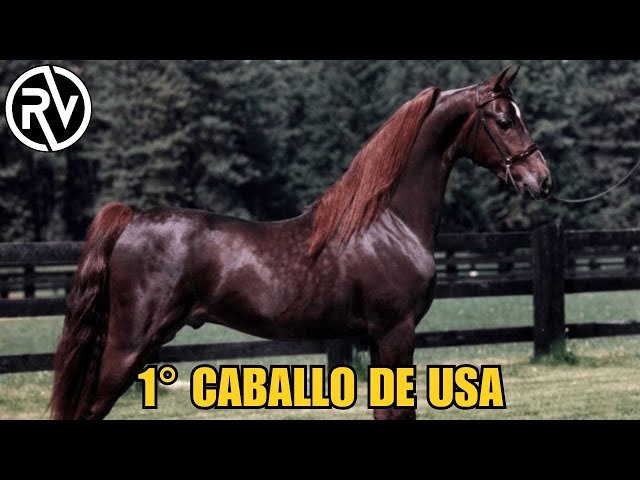
Navigating the nuanced world of horse breeding can feel like an intricate dance, particularly when it comes to preserving the legacy and enhancing the future of a beloved breed. For those passionate about the iconic American Morgan Horse, understanding Cría y Genética del Caballo Morgan—its breeding and genetics—is paramount. This isn't just about mating two horses; it's about safeguarding a lineage known for its intelligence, versatility, and heart, ensuring its unique qualities thrive for generations to come.
From its humble beginnings as a single, remarkable stallion, the Morgan horse has become a testament to careful selection and dedicated stewardship. Dive in to explore the foundations of Morgan breeding, decipher the complexities of its genetics, and understand the essential practices that uphold this extraordinary breed's integrity.
At a glance: What you'll learn about Morgan Horse breeding
- The Morgan's Unique Heritage: Discover how a single foundation sire shaped the breed's enduring traits.
- Defining the Ideal Morgan: Understand the distinctive physical and temperamental characteristics that breeders strive to maintain.
- The Role of Genetics: Get a handle on how genetic traits are passed down and the importance of genetic health in breeding.
- Smart Breeding Decisions: Learn how to select breeding stock based on conformation, temperament, and performance.
- Navigating Registration: Unravel the essential steps for registering a Morgan foal with the official registry.
- Common Health Considerations: Be aware of potential genetic and health challenges to ensure healthy offspring.
More Than Just a Horse: Tracing the Morgan's Remarkable Lineage
The story of the Morgan horse begins, quite literally, with one horse: Figure, a stallion foaled in West Springfield, Massachusetts, in 1789. Later renamed Justin Morgan after his owner, this incredible horse wasn't just a sire; he was a living legend whose strength, stamina, intelligence, and remarkable versatility set the standard for an entire breed. Imagine a horse capable of both pulling heavy farm loads all day and out-running local racehorses—that was Justin Morgan.
His adaptable nature and gentle disposition quickly cemented his popularity. Early Morgans were the quintessential all-around working horses, performing farm duties, providing transportation, and excelling at tasks requiring both power and agility. This inherent versatility didn't just define the Morgan; it profoundly influenced other iconic American breeds. The American Saddlebred, Standardbred, Tennessee Walking Horse, and American Quarter Horse all carry a piece of Justin Morgan's legacy, having benefited from his strong build, sound conformation, and pleasant personality. This deep-rooted history is why every decision in Morgan breeding today reverberates with the breed's foundational strengths.
What Makes a Morgan a Morgan? Defining the Breed Standard
When you look at a Morgan horse, you're seeing centuries of careful breeding manifesting in a distinct set of characteristics. This medium-sized breed typically stands between 14.1 and 15.2 hands high (1.42 m – 1.55 m) and weighs roughly 400-500 kg (about 1050 lb). But it's not just about size; it's about their unique presence and physical structure.
Physical Hallmarks of the Breed
Morgans possess a compact, sturdy, and exceptionally athletic frame, boasting what many consider ideal conformation. Their defining features contribute to their agility and versatility:
- Expressive Head: A broad forehead and large, intelligent eyes that seem to mirror their willing nature.
- Arched Neck: A graceful, well-muscled neck that flows into a deep, powerful chest.
- Strong Back and Hindquarters: A short, strong back paired with robust hindquarters, providing the engine for their athletic prowess.
- Sound Legs and Hooves: Straight, well-muscled legs ending in rounded, well-formed hooves built for endurance.
While conformation is key, color adds to their appeal. Common coat colors include bay, chestnut, black, and gray. You'll also see some with classic white socks or blazes, and a captivating array of dilution gene variations such as palomino, buckskin, and cremello. Regardless of color, their abundant mane and a long tail, often sweeping the ground at rest, complete the picture of equine elegance.
A Heart as Strong as Their Build: The Morgan Temperament
Beyond their physical beauty, the Morgan horse is renowned for its exceptional temperament. This is a breed characterized by:
- Versatility and Trainability: Morgans are quick studies, eager to learn, and adapt seamlessly to a vast array of disciplines.
- Intelligence and Willingness: They approach tasks with a strong desire to please, making them highly receptive partners.
- Affectionate Bonds: Many owners refer to their Morgans as "heart horses" due to the deep, affectionate connections they form. Their expressive eyes and gentle nature, combined with inherent energy, strength, courage, and ambition, make them truly unforgettable companions.
This blend of physical soundness and outstanding temperament makes the Morgan excel in virtually any equestrian pursuit. Whether it's the precision of dressage, the high-stepping gaits of saddle seat, the agility of hunter/jumper events, or the stamina required for ranch work and trail riding (they can cover up to 40 km a day!), Morgans consistently impress. Historically, they were valued as general utility horses, racehorses, and even draft horses, a testament to their unparalleled versatility. If you're looking to Learn more about Morgan horses and their capabilities, their history truly paints a vivid picture.
The Pillars of Morgan Breeding: Conformation, Temperament, and Performance
For anyone involved in Cría y Genética del Caballo Morgan, the selection of breeding stock is the cornerstone of the breed's future. This isn't a task to be taken lightly; it requires a discerning eye and a deep understanding of the breed standard.
Conformation: Building Blocks of Soundness
When evaluating a stallion or mare for breeding, conformation is often the first consideration. Breeders look for:
- Balance and Proportion: The horse should appear well-balanced from head to tail, with all body parts harmonizing.
- Structural Correctness: Straight legs, strong joints, and well-formed hooves are critical for longevity and athletic performance. Any deviations here can lead to lameness or soundness issues, which could be passed on.
- Breed Type: The horse must clearly exhibit the distinctive Morgan characteristics—the expressive head, arched neck, deep chest, and sturdy build—that define the breed.
Temperament: Passing on the "Heart Horse" Trait
A Morgan's disposition is one of its most cherished qualities. Breeding animals must demonstrate:
- Intelligence and Trainability: Parents should be intelligent, cooperative, and willing to learn.
- Gentle Nature: The ideal breeding Morgan is calm, good-natured, and forms strong bonds. While energy and spirit are desirable, excessive nervousness or aggression are absolute disqualifiers.
- Consistency: A consistent, predictable temperament in breeding stock increases the likelihood of producing offspring with similar desirable traits.
Performance: Proving Their Worth
Performance records offer tangible evidence of a horse's genetic potential. Whether it's success in the show ring, endurance on the trail, or proficiency in ranch work, proven performance indicates:
- Athletic Ability: A horse that excels in a discipline demonstrates the physical capabilities and stamina desirable in future generations.
- Trainability Under Pressure: Performance often requires horses to perform under stress, showcasing their temperament and willingness.
- Soundness: A long and successful performance career is often a testament to excellent conformation and innate hardiness.
Breeders often meticulously research the performance records of potential mates, looking for consistency and excellence across generations.
Decoding Morgan Genetics: Understanding What You're Breeding For
Genetics forms the backbone of any breeding program. For Morgans, understanding inheritance patterns is vital for both preserving desirable traits and avoiding potential health issues.
The Power of Bloodlines and Pedigree
Every Morgan horse traces its lineage directly back to Justin Morgan. A horse's bloodline and pedigree are crucial for:
- Predicting Potential: By studying the traits of ancestors, breeders can make informed predictions about a foal's likely conformation, temperament, and athletic ability.
- Maintaining Breed Type: Strong, consistent bloodlines are key to reinforcing the characteristics that make a Morgan recognizable.
- Ensuring Genetic Diversity: While the breed traces to one sire, responsible breeding involves careful outcrossing within the registered Morgan population to prevent excessive inbreeding, which can lead to reduced vigor and increased risk of genetic disorders. This is a delicate balance, as breeders aim to concentrate desirable traits without narrowing the genetic pool too much.
Color Genetics: A Splash of Variety
While not directly tied to performance or temperament, understanding basic color genetics can be interesting for breeders aiming for specific coat colors. Common Morgan colors like bay, chestnut, black, and gray follow predictable inheritance patterns. The presence of dilution genes allows for stunning variations like palomino (chestnut with a single cream dilution gene), buckskin (bay with a single cream dilution gene), and cremello (chestnut with two cream dilution genes, resulting in a cream coat, blue eyes, and pink skin). Genetic testing is available for many of these color genes, taking the guesswork out of predicting foal colors.
Navigating Genetic Health: A Breeder's Responsibility
While generally hardy, Morgans, like all breeds, can be susceptible to certain genetic conditions. Responsible breeding means understanding these risks and making informed decisions.
- Occipitoatlantoaxial Malformation (OAAM) / Wobbler Syndrome: This condition affects the vertebrae in the neck, leading to coordination problems. While less common, breeders should be aware and consider the genetic background of their breeding stock.
- Hyperkalemic Periodic Paralysis (HYPP): Primarily associated with Quarter Horses but can appear in any breed that has used Quarter Horse lines or if a mutation has occurred. It's a muscle disorder causing episodes of paralysis. Genetic testing is available, and it's a critical tool for preventing the spread of this condition.
- Other Potential Issues: Beyond genetic conditions, breeders must also consider the general health history of their horses, including any recurring lameness issues (e.g., from injuries, arthritis, or hoof-related problems like cracks, abscesses, and laminitis) and dental health, which can have genetic predispositions. Regular veterinary check-ups and sound management are crucial for breeding stock.
The American Morgan Horse Association (AMHA) plays a vital role in educating breeders and maintaining breed health standards. By utilizing available genetic tests and making ethical breeding choices, you contribute directly to the health and vitality of the entire Morgan population.
The Path to Official Recognition: Morgan Horse Registration Practices
Once you've made the careful decision to breed, the next crucial step is officially registering your foal. The American Morgan Horse Association (AMHA), founded in 1909, is the official breed registry in the United States and the keeper of the Morgan lineage.
Why Registration Matters
Registering your Morgan foal with the AMHA is more than just paperwork; it's an affirmation of its heritage and a doorway to the breed's community. Registration:
- Confirms Lineage: Officially documents your horse's pedigree, tracing it back through generations to Justin Morgan himself.
- Ensures Breed Integrity: Helps maintain accurate records and uphold the breed standard.
- Opens Doors: Allows your horse to participate in AMHA-sanctioned shows, programs, and competitions, like the prestigious Grand National and World Morgan Horse Show.
- Adds Value: A registered Morgan often commands higher value due to its verifiable lineage and eligibility for breed-specific events.
The Registration Process: Step by Step
The process for foal registration is straightforward but requires attention to detail:
- Parental Registration: Both the stallion and the mare must be officially registered with the AMHA before their offspring can be registered. This is a non-negotiable requirement.
- Breeding Report: The owner of the stallion typically files a "Stallion Service Report" with the AMHA, indicating which mares he has bred. This report is essential for verifying the sire of the foal.
- Foaling Report: Once the foal is born, the mare owner completes a "Foaling Report" or "Application for Registration" with the AMHA. This form will require information such as:
- Date of birth
- Sex of the foal
- Color and distinctive markings (e.g., blazes, socks, whorls)
- Names and registration numbers of both parents
- Ownership details
- DNA Testing: In many cases, the AMHA requires DNA testing for parentage verification to ensure the accuracy of the pedigree. This involves submitting hair samples (or other approved biological samples) from the foal and both parents.
- Naming Your Foal: You'll choose a unique name for your foal, adhering to any naming conventions or restrictions set by the AMHA.
- Fees and Submission: Submit the completed paperwork, along with the required registration fees, to the AMHA.
After successful submission and verification, your foal will receive its official AMHA registration number and certificate, solidifying its place in the Morgan horse legacy.
Nurturing the Future: Responsible Care for Breeding Stock and Foals
A successful breeding program doesn't end with conception or even birth; it extends to the lifelong care of your horses, from the breeding pair to the growing foal.
Optimal Care for Breeding Stallions and Mares
Healthy parents produce healthy offspring. Ensuring your breeding stock is in peak condition is paramount:
- Nutrition: Provide a balanced diet of high-quality hay, pasture, and commercial feed tailored to their specific needs (e.g., breeding stallion formula, mare lactation diet). Supplement with vitamins and minerals as advised by a veterinarian. Consistent access to fresh, clean water is non-negotiable. Multiple small meals daily are often recommended to aid digestion.
- Regular Grooming: Daily brushing, occasional bathing, and meticulous hoof care (including professional farrier visits every 6-8 weeks) prevent issues and allow for early detection of problems.
- Exercise: Ample turnout time and regular, appropriate exercise are essential for maintaining muscle tone, cardiovascular health, and mental well-being. Monitor intensity, especially for mares in foal.
- Veterinary Care: Regular check-ups, vaccinations, deworming, and dental care (including routine check-ups and floating to prevent uneven wear or abnormalities) are critical. Proactive health management can prevent complications during breeding and foaling.
Laying the Foundation: Foal Care
The first few months of a foal's life are crucial for its development:
- Colostrum Intake: Ensure the foal receives adequate colostrum (first milk) within hours of birth for vital antibodies.
- Monitoring and Health: Closely monitor the foal for signs of illness or developmental issues. Prompt veterinary intervention is critical for any concerns.
- Early Handling: Gentle, consistent handling from birth helps build trust and facilitates future training.
- Nutrition for Growth: Provide a balanced diet suitable for growing foals, ensuring proper development of bones and muscles.
Caring for a Morgan horse, especially those involved in breeding, requires dedication and attention to detail. This commitment ensures the health, longevity, and continued excellence of the breed.
Beyond Breeding: The Morgan Community
The allure of the Morgan horse extends far beyond the paddock. It's a vibrant community sustained by passionate individuals and dedicated organizations.
The American Morgan Horse Association (AMHA) isn't just a registry; it's the heart of the Morgan world. Through its extensive programs, educational initiatives, and prestigious shows, the AMHA actively promotes the breed and supports its members. You'll also find the Morgan breed recognized by the United States Equestrian Federation (USEF), allowing these versatile horses to compete in a wide array of national events.
Across the country, numerous local Morgan Horse Clubs and regional associations provide invaluable community, resources, and opportunities to connect with fellow enthusiasts. These clubs organize local events, clinics, and shows, fostering a welcoming environment for owners, breeders, and admirers alike. Engaging with these groups can provide invaluable insights into Cría y Genética del Caballo Morgan from seasoned breeders and offer networking opportunities critical for anyone looking to enter or expand their breeding program.
Notable Morgan horses, like Figure (Justin Morgan), his influential son Black Hawk, and countless others, have etched their names in history not just through their athletic prowess but through their ability to consistently produce offspring that embody the breed's ideal. Figure himself lived to an impressive 32 years old, leaving behind a profound legacy that continues to shape the breed today. Their stories inspire current breeders to maintain the high standards of conformation, temperament, and performance that define this beloved American treasure.
Looking Ahead: Sustaining the Morgan Legacy
Whether you're a seasoned breeder or considering your first venture into Cría y Genética del Caballo Morgan, the journey is one of immense reward and responsibility. By meticulously selecting breeding stock, understanding the genetic underpinnings of the breed, diligently adhering to registration practices, and providing exceptional care, you play a direct role in shaping the future of these remarkable animals.
The Morgan horse is more than just a beautiful, versatile equine; it's a living piece of American history, a testament to the power of a single horse to found a legacy. Your commitment to informed and ethical breeding ensures that the "heart horse" continues to thrive, delighting and inspiring equestrians for generations to come. The future of this magnificent breed rests in the hands of those who truly understand and cherish its unique qualities.