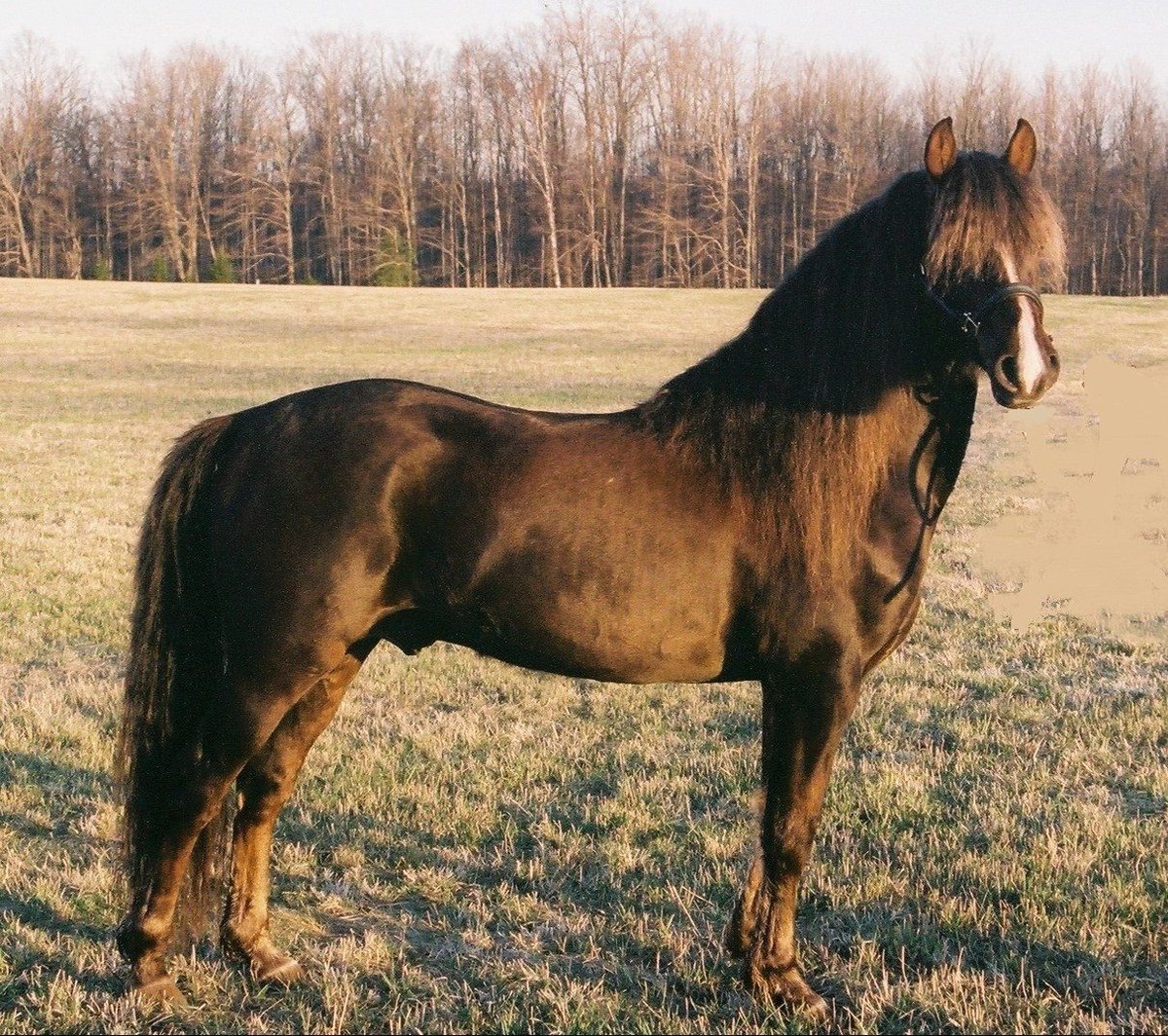
The Morgan horse: a living testament to American grit, versatility, and enduring charm. For over two centuries, this remarkable breed has captured hearts, not just with its elegant conformation and spirited gaits, but with an unparalleled desire to please. Today, the legacy of Figure (Justin Morgan's original stallion) thrives, fostered by a vibrant network of Morgan Breed Associations and Events that champion the breed, nurture its enthusiasts, and provide a stage for these magnificent animals to shine.
These associations are more than just clubs; they are the guardians of the Morgan's heritage, providing a vital framework for education, community, and competition. They ensure that the unique qualities that define the Morgan horse—from its intelligence and adaptability to its loyal temperament—continue to be celebrated and preserved for generations to come.
At a Glance: Your Guide to Morgan Breed Associations and Events
- Discover the Community: Learn why joining a Morgan horse association is the gateway to shared passion, invaluable resources, and lifelong friendships.
- Meet the Guardians: Understand the role of key organizations like the American Morgan Horse Association (AMHA) and the Morgan Horse Registry in preserving the breed.
- Explore Diverse Events: From thrilling saddle seat shows to challenging endurance rides, uncover the vast array of competitions and gatherings available to Morgan enthusiasts.
- Prepare for Success: Get practical insights into training, care, and mental conditioning to help your Morgan (and you!) excel.
- Connect Beyond Competition: See how these events foster camaraderie, learning, and a deeper bond with your horse.
Why Join a Morgan Horse Association? Building Bridges, Not Just Barns
Imagine a community where every member shares your profound appreciation for a specific equine breed. That’s precisely what a Morgan horse association offers. These organizations are the beating heart of the Morgan world, providing a hub for enthusiasts, breeders, and owners to connect, learn, and grow together.
More than just a membership, it’s an investment in:
- Breed Preservation and Promotion: Associations work tirelessly to maintain the purity and integrity of the Morgan breed. They support genetic research, maintain registries, and actively promote the breed's unique attributes to a wider audience. This ensures the future of these horses, which trace their lineage back to Vermont in the late 18th century, with the legendary Figure as their foundation sire.
- Education and Resources: Whether you’re a first-time owner or a seasoned trainer, associations offer a wealth of knowledge. Think workshops on care, training clinics, publications, and online resources. You'll find guidance on everything from optimal feeding (a balanced diet of quality hay, moderate grains, and supplements is crucial) to specific training methods like Natural Horsemanship, Classical Dressage, and Lunging.
- Networking and Community: The equestrian world can sometimes feel solitary. Associations break down these barriers, creating opportunities to meet like-minded individuals, share experiences, and forge lasting friendships. This supportive network is invaluable, whether you're seeking advice on a training challenge or celebrating a show ring victory.
- Access to Events and Competitions: This is where the rubber meets the road! Associations organize and sanction a diverse calendar of events, providing a platform for Morgans to demonstrate their incredible versatility and temperament. We’ll delve deeper into these exciting opportunities shortly.
- Advocacy and Representation: These bodies give the Morgan community a unified voice on issues affecting the equine industry, from land use to animal welfare. They ensure the breed's interests are represented at local, national, and even international levels.
The Guardians of a Legacy: Key Morgan Horse Associations
The story of the Morgan horse is one of resilience and dedication, mirrored by the organizations committed to its future. The breed's pure lineage has been carefully maintained since the establishment of the Morgan Horse Registry in 1909. This pivotal moment ensured that the unique characteristics of Justin Morgan's horse, Figure—a robust, fast, efficient, and adaptable stallion—would be preserved.
Today, this effort is spearheaded primarily by the:
American Morgan Horse Association (AMHA)
The AMHA stands as the leading national registry and membership organization for the Morgan horse in the United States. It's the go-to resource for all things Morgan, acting as the central hub for breeders, owners, and enthusiasts.
What the AMHA does:
- Maintains the Breed Registry: Every registered Morgan horse traces its pedigree through the AMHA, ensuring accurate lineage and upholding breed standards.
- Promotes the Breed: Through marketing campaigns, educational programs, and public outreach, the AMHA works to increase awareness and appreciation for the Morgan horse.
- Sanctions Shows and Events: They set the standards and provide support for a wide array of approved shows and competitions across the country.
- Publishes Resources: Members often receive publications like The Morgan Horse magazine, packed with articles on breeding, training, care, and show results.
- Supports Youth Programs: Recognizing that the future of the breed lies with the next generation, the AMHA invests heavily in programs designed to engage young equestrians.
Beyond the AMHA, numerous state, regional, and local Morgan horse clubs play a crucial role. These smaller associations often focus on local events, clinics, and social gatherings, providing a more intimate community experience. Joining both a national organization and a local club can offer the best of both worlds, connecting you to a broad network while also grounding you in your local Morgan community.
Stepping into the Arena: A World of Morgan Events
One of the most exciting aspects of owning a Morgan horse is the sheer diversity of events available. True to their historical roots as versatile working animals capable of everything from plowing fields to winning races, today's Morgans excel in nearly every equestrian discipline. This adaptability is celebrated at events ranging from high-stakes national competitions to relaxed local fun days.
The Thrill of the Show Ring: Saddle Seat, Western, and Driving
Morgan horses are quintessential show horses, renowned for their elegant carriage, animated gaits, and expressive presence. Show events are often divided into various divisions, catering to the breed's versatility.
- Saddle Seat: This discipline highlights the Morgan's natural high head carriage and animated action. Riders typically wear formal attire, and horses are shown in a variety of classes including English pleasure, park harness, park saddle, and equitation. The grace and power of a saddle seat Morgan are truly captivating.
- Western Pleasure & Performance: Morgans transition seamlessly to Western tack and disciplines. Classes include Western pleasure, trail, reining, and even Western dressage. Their calm temperament and cooperative nature make them natural partners for Western riding.
- Driving: Harness classes are a cornerstone of Morgan events, harkening back to their historical role as carriage horses. From pleasure driving to roadster driving (a thrilling display of speed), Morgans demonstrate their incredible power, stamina, and refined manners when hitched.
- In-Hand/Halter: These classes judge the horse’s conformation, condition, and presentation, allowing handlers to showcase the breed's compact, muscular, and elegant build, often with a short, strong head and large expressive eyes.
Beyond the Arena: Endurance, Dressage, Jumping, and More
While the show ring is popular, many Morgan owners enjoy other challenging and rewarding disciplines that highlight the breed's robust health and athletic capabilities.
- Endurance Riding: Morgans are naturally tough and possess incredible stamina. Their efficient build and reliable temperament make them excellent candidates for endurance and competitive trail rides, covering miles of varied terrain.
- Dressage: Known for their intelligence and desire to please, Morgans take readily to dressage. Their athletic build and natural rhythm allow them to perform intricate movements with grace and precision.
- Hunter/Jumper: Despite their modest size (typically 14.1 to 15.2 hands), Morgans are agile and brave jumpers. Many excel in hunter under saddle, hunter pleasure, and over fences classes, showcasing their athleticism and steady demeanor.
- Working Equitation: This discipline combines dressage, ease of handling, and speed trials, reflecting the historical utility of working horses. Morgans, with their inherent versatility, are a natural fit.
Educational Clinics and Social Gatherings
Not every event is about competition. Associations frequently host clinics focused on specific skills (e.g., jumping techniques, natural horsemanship, or advanced driving). These events are invaluable for learning, improving, and bonding with your horse. Social gatherings, such as trail rides, barbecues, and annual banquets, strengthen the community ties and provide a more relaxed environment to share your passion.
If you’re keen to dive deeper into the specific characteristics, history, and care of these incredible animals, you’ll find a wealth of information in your guide to Morgan horses. It’s a fantastic starting point for understanding what makes this breed so special.
Preparing Your Morgan for Event Success
Getting ready for an event, whether it’s a local show or a national competition, involves thoughtful preparation that addresses your horse's physical, mental, and nutritional needs. Remember, the Morgan is known for an exceptionally pleasant temperament—intelligent, sensitive, cooperative, and friendly, displaying a desire to please. This makes them highly trainable, but consistent and thoughtful preparation is still key.
Physical Conditioning: Building Strength and Stamina
Regular exercise is non-negotiable for a healthy, show-ready Morgan.
- Structured Workouts: Aim for 4-5 sessions per week, incorporating a variety of activities. This might include:
- Riding: Varying gaits, transitions, and patterns to build muscle and responsiveness.
- Free Exercise: Allowing your horse turnout time in a safe area to move naturally.
- Lunging: A 45-minute session can build strength, improve balance, and refine communication without a rider.
- Progressive Training: Gradually increase the intensity and duration of workouts. Don’t push too hard too fast. A sample weekly program might involve three 1-hour sessions focused on classical dressage or specific discipline training, interspersed with lighter 30-minute desensitization sessions, lunging, and a rest or walk day.
- Proper Foot Care: Hoof trimming and cleaning every 6-8 weeks is essential, especially for performance horses. A farrier's expertise will ensure balance and soundness.
Nutritional Excellence: Fueling Peak Performance
A well-balanced diet is critical for energy, recovery, and overall health.
- Quality Forage: High-quality hay should form the bulk of your Morgan's diet.
- Concentrates: Moderate amounts of grains (like oats or barley) can supplement energy needs, especially during intense training periods. Adjust based on workload and individual metabolism.
- Supplements: Vitamin and mineral supplements are often necessary to ensure a complete nutritional profile. Discuss specific needs with your veterinarian or an equine nutritionist.
- Hydration: Always ensure access to fresh, clean water. Electrolytes might be beneficial during hot weather or strenuous activity.
- Budgeting: Factor in feed costs, which can average around 50 euros/month (or roughly $55 USD) during training phases, depending on feed quality and supplements.
Mental Well-being: A Happy Horse is a Willing Partner
Morgans are intelligent and sensitive, meaning their mental state directly impacts their performance.
- Early Socialization and Desensitization: Exposing young Morgans to various stimuli and other horses from an early age helps them develop into calm, patient, and reliable adults. Continue this process, gradually introducing new sights, sounds, and experiences that they might encounter at events.
- Positive Reinforcement: Training methods like Natural Horsemanship, which emphasize positive reinforcement and mutual respect, are highly effective with Morgans. They thrive on clear communication and reward.
- Quality Bonding Time: Dedicated time for grooming, hand-walking, or simply quiet interaction strengthens your bond and builds trust. Morgans are loyal and brave, but this trust must be cultivated.
- Stable Environment: A clean, dry stable and regular interaction with other horses are crucial for their mental health. Boredom or isolation can lead to behavioral issues.
Essential Veterinary Care: Proactive Health Management
A healthy horse performs best. Regular veterinary care is non-negotiable.
- Annual Check-ups: Essential for overall health assessment.
- Vaccinations: Annual vaccinations protect against common equine diseases.
- Deworming: Every 6 months, or as recommended by your vet based on fecal egg counts.
- Dental Care: Dental check-ups at least once a year are vital to ensure proper chewing and prevent discomfort that can affect performance.
By focusing on these pillars of preparation, you’ll not only enhance your Morgan’s chances of success in the show ring but also deepen your partnership with these incredibly intelligent and cooperative animals.
Navigating the Show Ring: What to Expect
Attending a Morgan horse show, especially for the first time, can feel a bit overwhelming. But armed with a little knowledge, you'll find it a thrilling and rewarding experience. Morgan shows are designed to showcase the breed's versatility and unique attributes.
Understanding the Classes
Morgan shows offer a vast array of classes, ensuring there's something for every horse and rider combination. Common categories include:
- Halter/In-Hand: Horses are judged on their conformation, breed type, and overall presentation. This is where judges assess how closely a Morgan adheres to the ideal physical characteristics—compact, muscular, elegant build, specific head profile, and common coat colors like bay, black, chestnut, or variations like palomino.
- English Pleasure/Park: These saddle seat classes focus on the horse's manners, way of going, and brilliance. Park horses are more animated, while pleasure horses should be smooth and comfortable.
- Western Pleasure/Equitation: Judged on manners, cadence, and the rider's ability to cue the horse subtly.
- Driving: Horses are shown hitched to a cart or carriage, demonstrating their proficiency in pleasure driving, roadster, or even fine harness.
- Hunter Pleasure/Over Fences: Focuses on the horse's athletic ability, willingness to jump, and suitability as a hunter.
- Dressage/Trail/Reining: Specialized classes testing specific skills and training levels.
The Judging Process
Judges evaluate horses based on a scorecard specific to each class. While specific criteria vary, common elements include:
- Conformation: How well the horse matches the Morgan breed standard.
- Soundness: Freedom from lameness or physical impairments.
- Manners: Obedience, responsiveness, and disposition. Morgans are known for their quiet and patient nature.
- Way of Going/Gaits: The quality, rhythm, and animation of the horse's walk, trot, and canter/lope.
- Presentation: The cleanliness and polish of both horse and rider/driver, including tack.
Show Etiquette and Sportsmanship
- Be Prepared: Arrive with plenty of time to get your horse ready, warm up, and check class schedules.
- Dress Appropriately: Most show classes have specific dress codes for riders (e.g., formal English attire, clean Western wear).
- Be Respectful: Treat judges, show officials, and fellow competitors with courtesy.
- Learn from Feedback: Don't be afraid to ask judges or experienced exhibitors for constructive criticism after a class.
- Safety First: Always prioritize the safety of yourself, your horse, and others.
Participating in a Morgan show is not just about winning ribbons; it's about setting goals, improving your riding, and celebrating the incredible bond you share with your horse.
Beyond the Ribbons: The True Value of Participation
While the thrill of competition and the sparkle of a ribbon are undeniably exciting, the true value of engaging with Morgan Breed Associations and Events extends far beyond the show ring. These experiences enrich your life in countless ways, forging deeper connections and fostering personal growth.
Building Unbreakable Bonds
Spending dedicated time training and preparing for an event strengthens the partnership between you and your Morgan. As intelligent and cooperative animals, they respond to consistent effort and trust. Each training session, each challenge overcome, builds a layer of mutual understanding and respect. The quiet moments of grooming or the shared effort in a challenging ride deepen this bond, creating a loyal companion who truly desires to please.
Lifelong Learning and Skill Development
Every event is a learning opportunity. Whether it’s observing experienced riders, attending a clinic, or simply reviewing your own performance, you’ll constantly refine your horsemanship skills. You might discover new training techniques that resonate with your Morgan's sensitivity, or learn more about optimal horse care. The collective wisdom within Morgan associations is a treasure trove, always ready to be shared.
The Power of Community and Shared Passion
Perhaps the most enduring benefit is the vibrant community you become a part of. Morgan enthusiasts are a passionate, welcoming group, united by their love for this unique breed. You’ll find mentors, friends, and support systems at every level. From local club meetings to national shows, these gatherings are celebrations of the Morgan spirit, offering camaraderie that lasts long after the final ribbon is awarded. You'll share stories, laugh, and celebrate successes, creating memories that transcend any single competition.
Preserving a Priceless Heritage
By actively participating in associations and events, you contribute directly to the preservation of the Morgan breed. Your involvement helps support the registry, fund educational initiatives, and promote the breed to future generations. You become a steward of a legacy that began with Figure, ensuring that the versatility, temperament, and beauty of the Morgan horse continue to inspire and delight for centuries to come. It’s a profound contribution to American equine history.
Ready to Connect with the Morgan World?
Whether you're a long-time Morgan owner or simply captivated by the breed's history and charm, there’s a place for you within the Morgan community. Start by exploring the American Morgan Horse Association (AMHA) website to find a local club near you. Attend an upcoming show or clinic as a spectator to get a feel for the atmosphere. Most importantly, reach out! The Morgan world is renowned for its welcoming spirit, eager to share its passion for these extraordinary horses. Your next adventure with a Morgan—or within the vibrant Morgan community—is just waiting to begin.